

 22-Jan--2026
In modern society, especially after the global pandemic, disposable masks have become an integral part of our daily lives. Small and simple, they carry an important protective function, safeguarding us from airborne pollutants, viruses, and bacteria.
Every time we enter a crowded public space, we are sure to see various colors and shapes of masks—some are blue medical masks, others are white KN95 masks, or even some designer cloth masks. Behind these seemingly ordinary items lies a deep significance for our health and safety.
The Appearance and Design of Disposable Masks
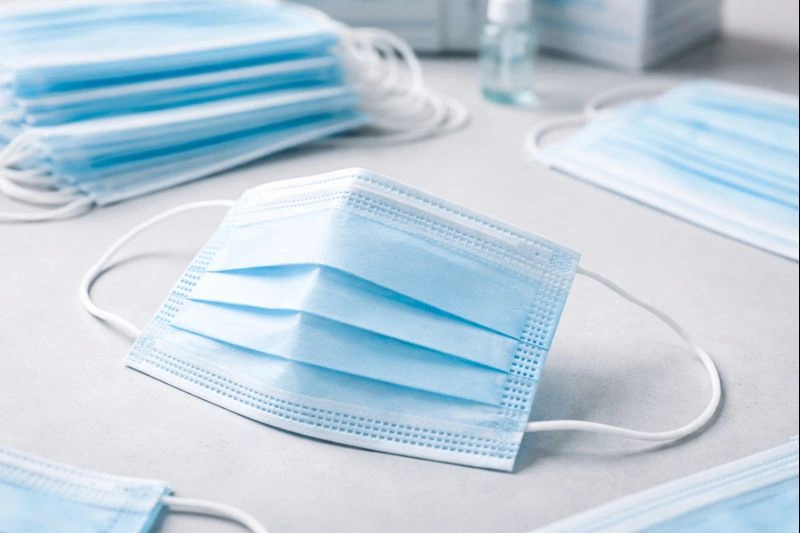
Disposable masks are typically made of three layers of different materials: the outer layer is waterproof, the middle layer is the filter layer, and the inner layer is skin-friendly. They are designed to be lightweight and breathable, offering comfort even when worn for extended periods. The design of the mask is simple, usually with two ear loops or head straps to secure the mask in place, ensuring it fits snugly on the face. The most common colors for masks are blue or white, with the color choice sometimes depending on the setting; white is often seen in medical environments like hospitals and laboratories, while blue is more common in public spaces.
Despite their simplicity, disposable masks must adhere to strict production standards to ensure they effectively block droplets, dust, and potentially harmful microorganisms. This makes disposable masks not only crucial during pandemics but also widely used in various fields, from common flu protection to industrial dust protection.
The Importance and Necessity of Wearing Masks
The significance of wearing disposable masks, especially in public places and on transportation, has transcended individual protection. It has become a collective responsibility. As an invisible barrier, the mask blocks viruses and bacteria in the air, protecting the wearer and others around them. Whether on a crowded subway or in busy shopping malls and hospitals, masks play a vital role in reducing cross-infection and maintaining public safety.
As people's awareness of health continues to grow, the use of masks is no longer limited to pandemic prevention. In cities with high levels of air pollution, citizens often wear masks to shield themselves from the harmful effects of polluted air. For people with allergies, wearing a mask has become a necessary daily habit.
The Ongoing Environmental Challenge
Although disposable masks play a crucial role in health protection, their environmental impact has become a global concern. Especially during the peak of the pandemic, the consumption of masks surged, leading to billions of masks being discarded, putting unprecedented pressure on the environment. The plastic material and non-biodegradable components make these masks difficult to break down in nature, contributing to the growing accumulation of plastic waste.
In response to this challenge, many companies have begun developing more environmentally friendly alternatives, such as biodegradable masks and reusable designs. Consumers, too, need to be more conscious of how they dispose of their masks properly, to avoid causing secondary pollution by discarding them irresponsibly.
Conclusion
The invention of disposable masks is a product of technological progress and social demand. They have not only protected us from the spread of diseases but have also taken on the responsibility of changing the way we live. Although they are a small item in our daily lives, their importance cannot be overlooked. With ongoing advancements in technology and environmental consciousness, future masks may become more intelligent and eco-friendly, but one thing remains certain: their mission to protect public health will always persist.
