

 13-Mar--2026
In the years following the global outbreak of COVID-19, governments, healthcare systems, and international organizations have significantly re-evaluated how medical protective equipment is sourced and stored. One of the most notable changes has been the widespread adoption of large-scale PPE stockpiling programs.
These initiatives are reshaping global medical supply chains, influencing manufacturing locations, procurement strategies, and long-term logistics planning.
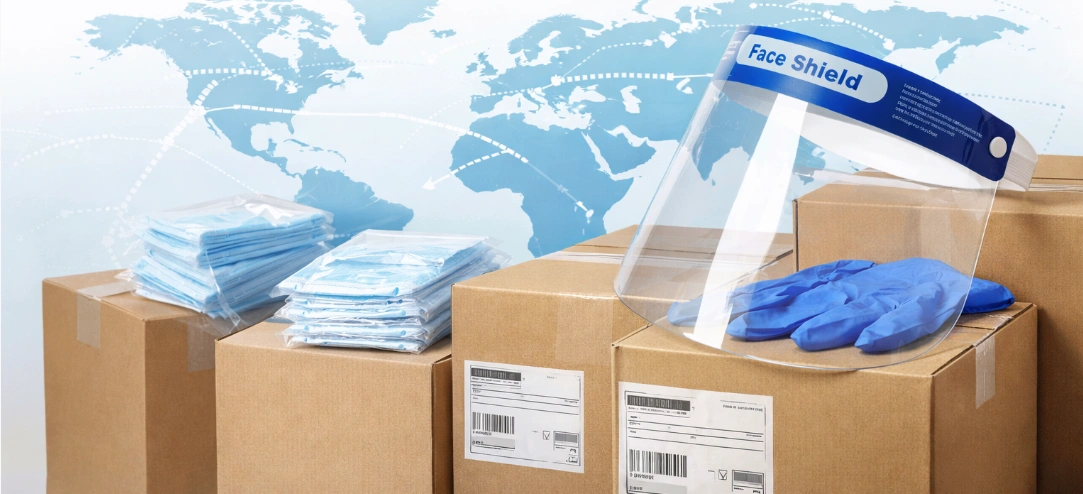
Strategic National Stockpiles
Many countries have expanded or modernized their national emergency reserves to include large quantities of personal protective equipment such as masks, gloves, gowns, and face shields. In the United States, the Strategic National Stockpile has increased its focus on maintaining sufficient PPE inventories to respond quickly to public health emergencies.
Similar preparedness programs are being strengthened across Europe and Asia as governments aim to prevent the shortages experienced during the early stages of the pandemic.
Diversifying Supply Sources
One of the key lessons learned during COVID-19 was the risk of relying too heavily on a single region for critical medical supplies. As a result, many healthcare systems are now diversifying their supplier networks.
Hospitals and public health agencies are working with multiple manufacturers across different regions to reduce supply disruptions. This approach helps maintain stable access to essential PPE even when transportation delays or geopolitical factors affect certain markets.
Regional Manufacturing Expansion
Another major shift is the expansion of domestic or regional PPE production. Governments in North America, Europe, and parts of Asia have supported investments in local manufacturing facilities to strengthen supply chain resilience.
By producing essential protective equipment closer to where it is needed, countries can reduce dependency on global shipping routes and respond faster during emergencies.
Inventory Management and Logistics
Stockpiling PPE also requires more advanced inventory management. Because many protective items—such as disposable masks and face shields—have expiration dates, organizations are adopting rotation systems to ensure supplies remain usable.
Digital supply chain platforms, automated inventory tracking, and predictive demand modeling are increasingly used to monitor stock levels and forecast future needs.
Outlook
As global health preparedness becomes a long-term priority, PPE stockpiling is expected to remain a central strategy for governments and healthcare institutions. These programs are not only strengthening emergency response capabilities but are also reshaping how the global medical supply chain operates.
From diversified sourcing to regional production and smarter logistics systems, the lessons learned during COVID-19 continue to drive innovation and resilience across the medical equipment sector.
