

 22-Jul--2026
Lead:
Halfway through 2026, with global public health emergencies long behind us, have you noticed that masks haven't disappeared as some expected? They are no longer our "pass" to go out, but they have quietly integrated into daily life in a new role. From an "invisible shield" during summer flu peaks to a tech‑enhanced "fashion accessory," masks are redefining their place in our lives.
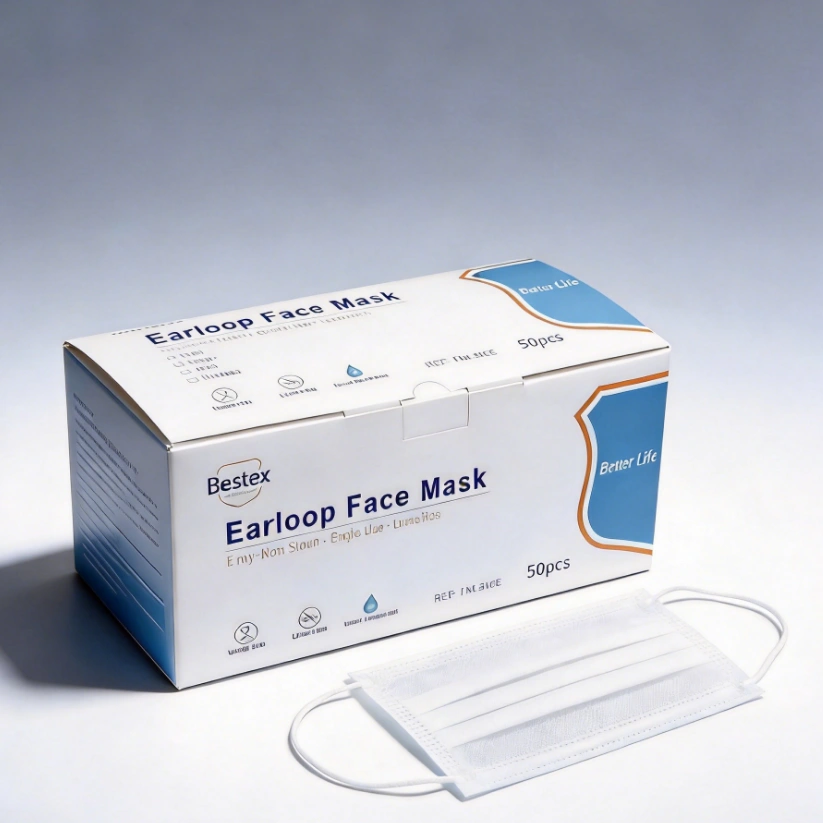
I. No Longer a "Restriction," but a "Choice"
A reporter visiting the streets of Qingdao observed that, unlike the scene two or three years ago when everyone wore masks, mask‑wearing now shows clear "context‑based" patterns.
On the crowded Metro Line 3, the reporter counted roughly 40% of passengers wearing masks, with the majority being middle‑aged and elderly people and parents with young children. Ms. Zhang, a local resident, told the reporter: "It's not mandatory anymore, but I always keep a individually wrapped mask in my bag. A few days ago, when I had a cold, I put one on when I went into a shopping mall – it protects others and also prevents me from catching other viruses. It's become muscle memory."
This "muscle memory" is precisely a valuable legacy of public health education. An expert from the Qingdao Center for Disease Control and Prevention noted in an interview that in summer, with air conditioning running and poor indoor ventilation, respiratory diseases are more prevalent. "Wearing masks in enclosed, crowded places remains one of the most cost‑effective and efficient ways to prevent influenza and other respiratory infections. Today, mask‑wearing is more of a voluntary act based on personal health awareness."
II. Technology‑Empowered: The Evolution to "Mask 2.0"
If you still think of masks as simple blue‑and‑white medical ones, you might be behind the times. A quick search on major e‑commerce platforms reveals a highly segmented, tech‑driven market.
Smart monitoring masks: Some brands have introduced intelligent masks with built‑in biosensors that can monitor heart rate, respiratory rate, and even analyze specific biomarkers in exhaled breath – offering health references for fitness enthusiasts and patients with certain chronic conditions.
Novel antiviral fabrics: Reusable masks made from new materials such as graphene and nano‑copper ions not only achieve higher filtration efficiency but also effectively kill various viruses and bacteria on the surface, greatly extending their service life and reducing environmental waste.
"Breathable" designs: To address the summer stuffiness, three‑dimensional frame masks and ice‑feel fabric masks have become bestsellers. They solve the problems of fabric clinging to the face and causing breakouts, making long‑term wear more comfortable.
These changes show that the mask industry has shifted from "emergency capacity expansion" to "refined development," using technology to improve user experience and meet the needs of masks as a regular part of life.
III. The "Last Line of Defense" in Healthcare Remains Unchanged
Although the urgency of mask‑wearing has lessened in society at large, in hospitals, laboratories, and other critical settings, masks remain the cornerstone of standard protection – and their status has never wavered.
The Director of Infection Management at Qingdao University Affiliated Hospital emphasised: "In operating theatres, fever clinics, and ICUs, proper mask use remains a strict rule. This is the red line for preventing healthcare‑associated infections. We have observed that even though the public health alert level has been lowered, our internal respiratory protection standards have not been reduced – this is our shared responsibility to both patients and medical staff."
In addition, during pollen season, anti‑pollen masks have become a seasonal necessity for allergy sufferers. In construction, mining, and other industries, professional dust masks continue to be essential for occupational health.
IV. Expert Perspective: A "Long‑Term" Approach to Masks
A professor from the School of Public Health at Fudan University told our station in a remote interview: "We should not view masks as a temporary item, but rather as a 'low‑intervention, high‑benefit' health tool that coexists with the risks of modern society."
He believes that future public health education should focus on "precision protection": "Just as you carry an umbrella when it rains, wearing a mask in specific environments will become part of modern health literacy. The key is to teach the public how to choose the right type of mask and wear it correctly according to different scenarios – such as high‑pollution days, infectious disease seasons, or allergy peaks – rather than adopting an all‑or‑nothing approach."
Conclusion:
From the "mask shortage" of 2020 to the "wear‑as‑needed" practice of 2026, the changing role of masks reflects our growing maturity and capability in responding to public health challenges. The mask is no longer just a protective item – it is a mirror, reflecting how we embrace an uncertain future with a more scientific and rational mindset.
